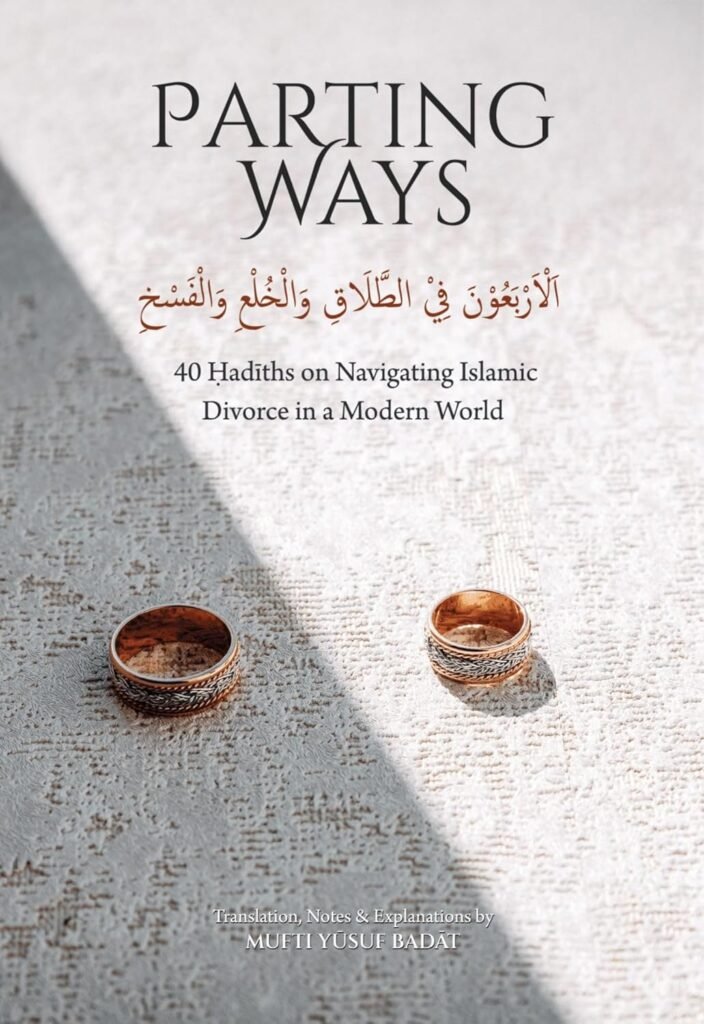
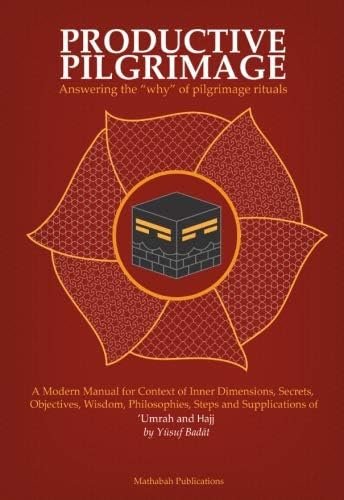
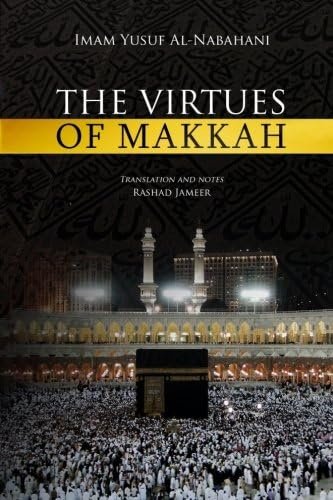
Authentic Islamic Learning, Courses & Trusted Q&A View Programs Search for Answers Read Articles Mathabah Publications Mathabah Events Rooted in tradition. Relevant today. View Programs Ask A Question Your Questions Answered by Qualified Scholars Search Search Q&A - Beliefs Do These Actions Formulate Disbelief? Q&A - Prayer, Q&A - Purification Masturbation and Doubts Regarding Purity Q&A - Marriage & Divorce, Q&A - Purification, Q&A - Social Matters Concerns Surrounding the Hymen Tearing Q&A - Marriage & Divorce Does the Wife Have Equal Rights Regarding Intercourse? Q&A - Beliefs, Q&A - Miscellaneous Whose Name will We be Called by on the day of Judgement? Q&A - Prayer Averting the Passer-By in Prayer Q&A - Wealth Purification Financial Analyst Calculating or Forecasting Interest Q&A - Fasting, Q&A - Prayer Can Tarāwīh be Performed in Sets of Four Units? Q&A - Wealth Purification Student Loan for Higher Education Q&A - Wealth Purification Dealing with Forex, Stocks and Shares Articles Understanding Islam Q&A - Miscellaneous, Q&A - Social Matters Aqīqah for a Person After Infancy Q&A - Diet Use of Steroids for Weight Loss Q&A - Wealth Purification What Are the Rules for Currency Exchange in Islam? Jurisprudence, Q&A - Prayer The Path of the Sun and Prayer Times (Info-Graphic) Q&A - Prayer Is it Forbidden to Lengthen the 2nd Raka’ah Over the 1st? Q&A - Prayer Are There Any Restrictions Regarding 2 Units of Ritual Prayers When Entering a Mosque? Q&A - Marriage & Divorce Divorce Request by Wife and Response from Husband Q&A - Fasting, Q&A - Prayer, Q&A - Purification Prayers and Fasts with Leucorrhoea Q&A - Marriage & Divorce, Q&A - Miscellaneous, Q&A - Social Matters Ḥurmat Al-Muṣāharah (Incest) When There is Doubt Knowledge. Inspiration. Tradition. Welcome to Mathabah Authentic knowledge and student-centered learning guide everything we do at Mathabah. Learning at Mathabah Certification Programs Level 1 - Islamic Essentials Certification Programme The Islamic Essentials Certification Programme provides systematic theoretical and practical instruction in the foundational disciplines of Islam. Level 2 – Specialised Certification Programmes Upon successful completion of Level 1, students who wish to advance their Islamic studies may enrol in one of four specialised certification pathways. View all Programs & Register Certification programmes at Mathabah are structured to ensure intellectual rigour, spiritual development. Successful completion results in formal certification. Enroll Now Starts April 7th Mathabah Books Mathabah Publications Parting Ways Productive Pilgrimage Virtues of Makkah Plan Your Day the Prophet's Way Echoes From the Cave Ten Lessons of Arabic The First Steps in Practising Islam The Sun That Never Set View All Books Social Media Watch & Follow Follow Us: Facebook Instagram X-twitter Youtube Mathabah Where Knowledge Meets Purpose. Learn More About Us Team Get to know the incredible individuals behind our company Our people Become part of our team Articles Valuable insights that empower your decision-making Subscribe to our monthly insights